
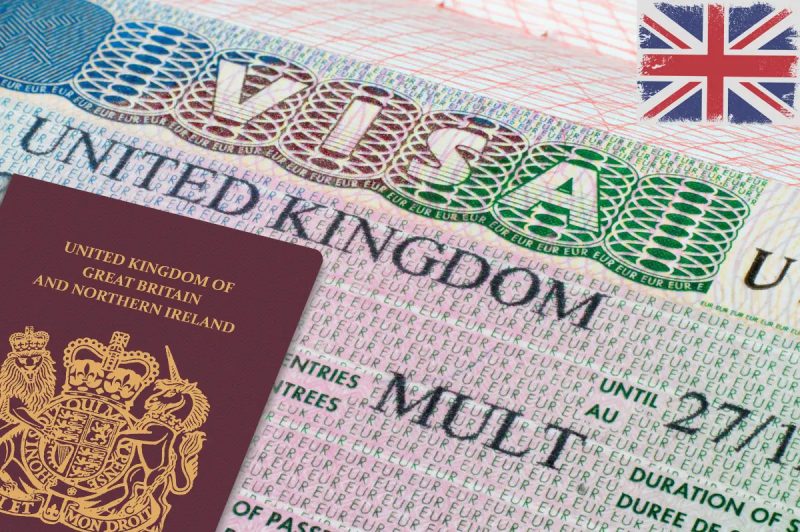
The United Kingdom is set to revolutionize its visa process for Nigerian travelers, moving towards a fully digital eVisa system starting February 25, 2026. This significant policy change, announced in Abuja by UK Visas and Immigration (UKVI), will see the cessation of physical visa stickers for Nigerian nationals, marking a notable shift in how visas are issued and managed.
Transitioning to a Fully Digital Visa System
In a major update to its visa policy, the UK government confirmed that all new Visit visas granted to Nigerian citizens will be issued in electronic format. Gone will be the days of receiving a visa vignette pasted into passports; instead, successful applicants will have their immigration status linked to a secure online UKVI account. This digital transformation allows travelers to log in, manage, and share their visa details as necessary, streamlining the entire process.
This change aligns with the UK's broader strategy to modernize border management and enhance travel procedures. Nigerian applicants are among the first groups to fully embrace this digital approach, which will simplify the verification of immigration status and reduce reliance on paper documentation.
Impact on Current Visa Holders
UKVI has made it clear that Nigerians who currently possess valid physical visa stickers will not be adversely affected by this transition. Existing visas will remain valid until their expiration dates, and holders won't need to replace them simply due to the shift towards eVisas. This assurance aims to alleviate concerns among current visa holders about the implications of this policy change.
The new digital visa system represents an evolution of previous reforms initiated by the British High Commission, which had already begun transitioning most Nigerian applicants for study and work visas to eVisas starting July 15, 2025. This latest announcement extends the digital framework to Visit visas, marking a complete overhaul of the visa issuance process for Nigerian travelers.
Enhancing Border Security and Streamlining Travel
British Deputy High Commissioner in Abuja, Gill Lever, highlighted the benefits of moving to a digital visa system. She noted that the change aims to modernize border management while simplifying the travel experience for visitors. Lever emphasized that the digital system not only enhances border security but also makes it easier for genuine travelers to prove their immigration status.
With this transition, the UK government is taking significant steps towards implementing a fully digital border and immigration management system. By replacing traditional passport-based documentation with centralized online immigration records, they're aiming for a more efficient and secure process. This shift is expected to particularly benefit business travelers, students, and frequent visitors to the UK.
Future Implications for Travelers and Immigration Policy
The rollout of the eVisa system for Nigerian travelers is indicative of a broader trend towards digitalization in immigration policies worldwide. As countries increasingly adopt technology to streamline visa processes, the UK's decision places it at the forefront of this movement. The upcoming changes are expected to attract more Nigerian travelers and facilitate easier access to the UK, especially for those engaged in business, education, or family visits.
Looking ahead, the full implementation of this digital system could pave the way for similar initiatives in other countries, as global travelers adapt to new technologies and processes in immigration. The UK's proactive approach underscores its commitment to modernizing travel while maintaining robust security measures.
Overall, the transition to eVisas marks a significant leap into the future for Nigerian travelers, offering a glimpse of a more efficient, user-friendly visa application process. As the February 2026 deadline approaches, stakeholders in both Nigeria and the UK will be keenly observing how this ambitious policy unfolds and what it means for cross-border travel.