
As smartphones evolve, so do consumer habits regarding upgrades. With incremental changes dominating recent models, many users are reconsidering how long they keep their devices before opting for a new one. This shift in perspective raises questions about the longevity of current smartphones and what drives users to make the leap to the latest models.
Incremental Changes in Smartphone Technology
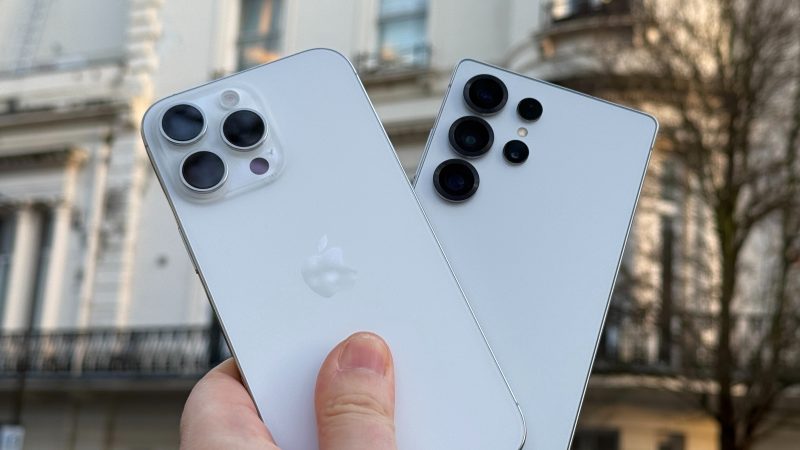
The smartphone industry has seen a significant transformation over the last decade. Once characterized by groundbreaking innovations, the latest devices have become more about slight adjustments than major leaps. For instance, the iPhone 15 Pro and Samsung Galaxy S23 Ultra boast impressive specifications, yet many consumers find that their existing devices still perform adequately for daily tasks.
As technology journalists, we often get an early look at new features and advancements. However, the question remains: how significant are these improvements for the average consumer? While features like enhanced camera capabilities and faster processors are noteworthy, they may not fundamentally alter user experience for those who already own relatively recent models. This trend suggests that upgrade cycles may be lengthening, reflecting a more cautious consumer attitude towards spending on new technology.
Understanding Consumer Upgrade Cycles
Historically, many users adhered to a two- or three-year upgrade cycle, often dictated by 24-month carrier contracts. However, with smartphones becoming increasingly reliable and capable, this pattern appears to be shifting. In discussions with industry insiders, some speculated that consumers might be extending their upgrade timelines, possibly holding onto devices for three to four years or more.
For the average user, the motivation to upgrade often hinges on specific triggers. Common reasons include declining battery life, need for improved camera quality, or simply the allure of a new model. Yet, a growing awareness of environmental impacts and e-waste has led some consumers to rethink their purchasing habits. The fact that many smartphones still function well after two or three years suggests that users may prioritize sustainability over the latest features.
The Impact of Environmental Concerns
As awareness of electronic waste and the environmental impact of technology grows, many consumers are increasingly mindful about upgrading their devices. Rare-earth materials used in smartphones contribute to a significant amount of e-waste, prompting a more responsible approach to tech consumption. This shift in mindset is reflected in the choices consumers make regarding when to upgrade.
Some brands, like Nothing, have even adopted a contrasting strategy by delaying new releases until they feel they can offer something truly innovative. This approach not only caters to environmentally conscious consumers but also acknowledges the market's saturation with devices that offer only minor improvements. By waiting to launch new models, these companies can enhance their reputation while also addressing the growing concerns about e-waste and sustainability.
Community Insights on Upgrade Habits
To better understand the current landscape, many tech publications are turning to their audiences for insights on upgrade habits. Polls and surveys are being conducted to gauge how long users typically keep their phones and what factors ultimately drive their decision to upgrade. It's clear that opinions vary widely, with some users reporting satisfaction with their devices for years, while others feel compelled to upgrade annually.
Personal anecdotes reveal a range of motivations behind upgrading. Some users, driven by the excitement of new technology, eagerly anticipate the latest releases, while others prioritize practicality and performance over novelty. By engaging with consumers directly, tech companies can gain valuable insights into the trends shaping the market, allowing them to tailor their offerings accordingly.
As technology continues to evolve, so too will consumer preferences and upgrade habits. The ongoing conversation about smartphone longevity and environmental stewardship is reshaping how we think about our devices. With consumers more attuned to the implications of their purchases, the industry may need to adapt, focusing on sustainable practices and genuine innovation that resonates with users.
Ultimately, the question of how long consumers keep their phones before upgrading may reveal much about our relationship with technology. As smartphones become more integrated into our daily lives, understanding these dynamics will be crucial for manufacturers and consumers alike.