
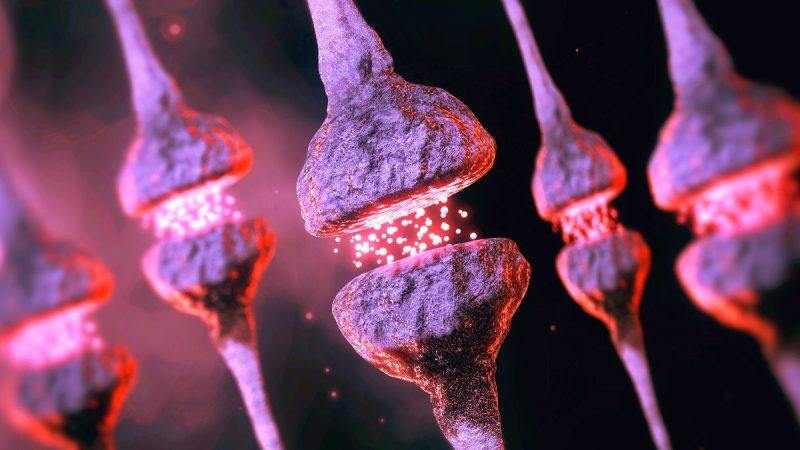
When it comes to a hidden brain process may help explain why alzheimer's risk rises with age, a recent study from Stanford University highlights a critical brain process that may explain the increased risk of Alzheimer's disease as people age. Researchers discovered that as neurons age, their ability to manage and recycle proteins diminishes, leading to a buildup of clumpy proteins that can interfere with brain function. This finding could pave the way for identifying new biomarkers related to brain health and potential therapeutic targets for neurodegenerative diseases.
Understanding A Hidden Brain Process May Help Explain Why Alzheimer's Risk Rises With Age
The study, led by neuroscientist Ian Guldner, focuses on how the brain's 'garbage disposal' system falters with age. Neurons, which are the brain's fundamental units, must constantly recycle proteins to maintain healthy communication across synapses-the tiny gaps between neurons. However, as these cells grow older, they struggle to break down old proteins effectively. Guldner explained, "We didn't set out to understand the synapse specifically, but rather the mechanisms behind the decline in general neuron health and function with age." This unintended focus on synaptic proteins emerged as a key finding in the research. Learn more about this topic on Wikipedia.
In their experiments, the researchers tagged and tracked thousands of proteins in mice of varying ages, from young to old. They found that neurons in mice aged 24 months were significantly less efficient at recycling proteins compared to their younger counterparts at just four months of age. This inefficiency led to an accumulation of spent proteins, which could contribute to cognitive decline and disorders like Alzheimer's.
Microglia: The Brain's Cleanup Crew
As protein accumulation increases, support cells in the brain known as microglia become more active. These cells play a critical role in maintaining brain health by pruning excess synapses and clearing out debris. However, Guldner and his team suspect that while microglia help manage the clutter, their cleanup efforts might inadvertently impair communication between neurons. This could create a feedback loop that exacerbates age-related cognitive decline.
The implications of these findings are profound. Loss and dysfunction of synapses have been linked to cognitive decline, particularly in age-related neurodegenerative diseases. Researchers have long sought to understand the cascade of events that lead to synaptic issues, and this study sheds light on the role of protein turnover in that process.
Identifying New Biomarkers for Brain Health
As the study reveals critical insights into the aging brain, it also opens avenues for future research. The team's findings suggest that monitoring protein recycling rates could help identify new biomarkers for brain health. This could facilitate earlier diagnosis and intervention for neurodegenerative diseases like Alzheimer's before significant damage occurs.
With an estimated 86 billion neurons in the human brain, each potentially connecting with as many as 10,000 other neurons, maintaining healthy communication is essential for cognitive function. The researchers' work highlights that, as we age, the degradation of synaptic proteins could hamper this intricate web of connections, leading to cognitive decline.
Implications for Future Research and Treatment
The study's findings provide a new perspective on how age-related changes in brain function can lead to disorders like Alzheimer's. As researchers continue to investigate the mechanisms behind protein recycling and synaptic health, potential therapeutic targets may emerge. Drugs aimed at enhancing protein turnover or supporting microglial function could offer new strategies for treating or even preventing cognitive decline.
Moreover, the study's methodology, which involved tagging proteins during their synthesis, could be applied to other areas of neuroscience research. By tracking how various proteins behave in the aging brain, scientists could uncover additional factors contributing to neurodegeneration.
As the global population ages, understanding the intricacies of age-related cognitive decline becomes increasingly critical. This research not only enhances our understanding of Alzheimer's risk factors but also sets the stage for potential future breakthroughs in treatment and prevention.
Originally reported by Science Alert. View original.