
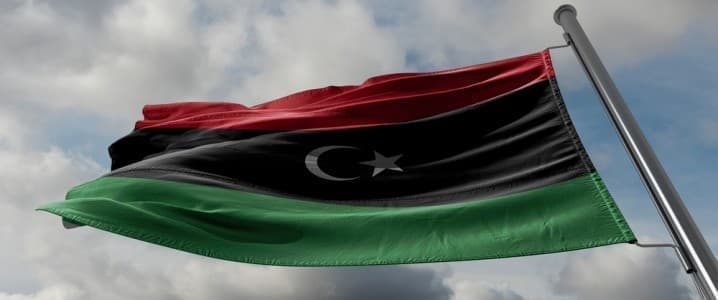
In a strategic move to revitalize its oil sector and reduce reliance on Russian fuel, Libya has awarded contracts to major Western firms, including Vitol, Trafigura, and TotalEnergies, for diesel and gasoline supplies. This decision, revealed by Reuters on Wednesday, marks a significant shift in Libya's energy landscape as the country embarks on a long-term plan to boost its crude production and re-establish itself as a key player in the Mediterranean energy market.
Reviving Libya's Oil Sector
Libya is setting ambitious goals to increase its crude oil production from approximately 1.4 million barrels per day (bpd) to 1.6 million bpd by the end of 2026. Authorities are eyeing an even more aggressive target of reaching 2 million bpd between 2028 and 2030, as they aim to rejuvenate a sector that has been severely disrupted since the 2011 uprising that ousted former leader Muammar Gaddafi. With over 48 billion barrels of proven reserves, Libya's oil is primarily high-quality, light-sweet crude, which is in high demand globally.
The awarded contracts to Western firms are part of a broader strategy to enhance Libya's energy independence. By cutting imports of Russian fuel, the country not only aims to secure a more stable energy supply but also to attract foreign investment back into its oil sector. The ongoing geopolitical dynamics have further underscored the importance of this shift, as international markets seek alternatives to Russian energy sources.
New Licensing and Infrastructure Investments
In a significant development, Libya recently concluded its first major licensing round in 17 years, granting five exploration blocks to renowned Western oil companies, including Chevron Corp., Italy's Eni S.p.A., and Spain's Repsol S.A. This move reflects Libya's commitment to revitalize its energy sector and attract foreign investment necessary for exploration and production growth.
In addition to these licensing agreements, the Libyan government has signed a landmark $20 billion, 25-year deal with ConocoPhillips and TotalEnergies. This agreement aims to upgrade infrastructure and expand production capacity at the Waha Oil Company, which is crucial for achieving the country's production goals. Such partnerships signal a renewed confidence in Libya's oil sector, facilitated by the political stability achieved since the ceasefire in 2020.
Natural Gas Expansion Plans
Beyond oil, Libya is also focusing on expanding its natural gas production, aiming for an output of approximately 1 billion standard cubic feet per day (Bscf/d) by 2030. This initiative is designed not only to satisfy domestic industrial growth but also to boost exports to Europe through the Greenstream pipeline. The National Oil Corporation (NOC) plans to initiate unconventional and shale gas exploration in the latter half of 2026, further diversifying its energy portfolio.
Chairman Masoud Suleiman of the NOC highlighted these ambitious natural gas plans at the LNG2026 conference earlier this year. With an estimated 80 trillion cubic feet of gas reserves, Libya has significant untapped potential that could play a pivotal role in meeting Europe's energy needs, especially in light of the ongoing energy crisis.
Western Firms Return Amid Renewed Stability
After nearly two decades of limited engagement, Western oil majors are returning to Libya, driven by improved stability and favorable investment conditions. The government is now offering more attractive fiscal terms for production-sharing agreements, aiming to lure international oil companies back into the market. This is a notable shift from the previous environment, where a combination of political unrest and economic challenges deterred foreign investments.
This renewed interest from Western companies bodes well for Libya, which has struggled to fully capitalize on its vast energy resources. The influx of capital and expertise from these firms could significantly accelerate the recovery of Libya's oil sector, setting the stage for a brighter economic future as the country seeks to reassert its position as a leading Mediterranean supplier.
As Libya embarks on this ambitious journey to revitalize its oil and gas sectors, the focus on reducing dependency on Russian imports and attracting Western investment could reshape the country's economic landscape, paving the way for sustainable growth and energy security in the years to come.