
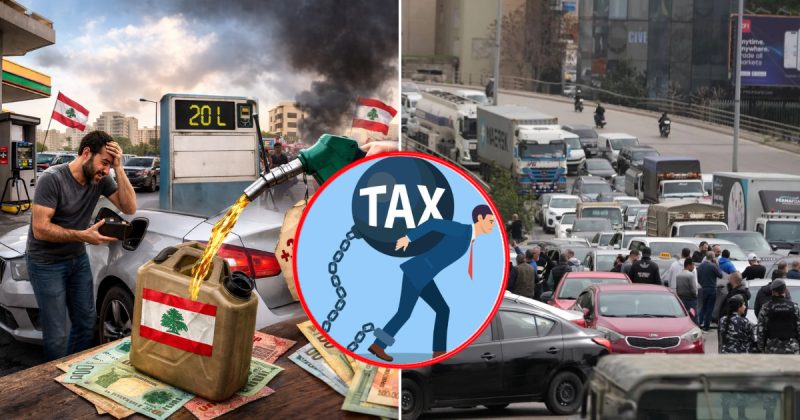
Lebanon's Cabinet has approved a controversial new fuel tax, increasing the price of gasoline by approximately 300,000 Lebanese pounds, which is roughly $3.30 for every 20 liters. This decision comes at a time when many citizens are grappling with soaring living costs, intensifying the already dire economic situation in the country.
Immediate Reactions to the Fuel Tax
The announcement of the new fuel tax has ignited significant public discontent. Many Lebanese citizens, already facing a severe financial crisis, expressed outrage at the government's decision. Social media platforms became a battleground for criticism, with users voicing their frustrations over the added burden. The tax, which comes on the heels of rampant inflation and currency devaluation, is seen as another blow to families struggling to make ends meet.
One resident from Beirut lamented, "How are we expected to survive when every day brings new costs? This tax feels like a punishment for simply trying to live. We are already suffering, and this makes it worse." Such sentiments are echoed throughout the nation, highlighting a growing frustration with the government's fiscal policies.
Why Diesel Remains Untouched
Interestingly, the new fuel tax exclusively targets gasoline, leaving diesel unaffected. This decision has raised questions among experts and the public alike. Diesel is crucial for transportation and agriculture, sectors that are vital for Lebanon's economy. By sparing diesel, the government appears to be attempting to mitigate backlash from those industries, but critics argue that this selective taxation only complicates the overall fiscal landscape.
Analysts suggest that the government may be trying to balance its budget while appeasing various stakeholders. However, the lack of a comprehensive strategy could lead to further economic instability. "The government's approach lacks transparency and coherence, which is paramount for restoring public trust," said economic analyst Rami Khoury.
The Broader Economic Context
This fuel tax comes amid an ongoing economic crisis, characterized by hyperinflation and a plummeting currency. The Lebanese pound has lost more than 90% of its value against the dollar over the past few years, resulting in skyrocketing prices for essential goods and services. Many families are now forced to choose between basic necessities, a reality that is both alarming and tragic.
The International Monetary Fund (IMF) has repeatedly urged the Lebanese government to implement structural reforms to stabilize the economy. However, inaction and political gridlock have hindered any meaningful progress. As citizens grapple with the repercussions of these policies, their patience is wearing thin. Many are questioning whether the government is equipped to handle the mounting challenges facing the nation.
Public Sentiment and Future Implications
The growing dissatisfaction among the populace could have significant implications for the government. Protests against economic measures are already a common sight in Lebanon, and the introduction of this new fuel tax may reignite civic unrest. Activists are calling for a unified front against the government's policies, emphasizing that the current trajectory is unsustainable.
Some experts believe that the government's decision to impose this tax could lead to increased public protests, similar to those seen in 2019, which were fueled by anger over corruption and economic mismanagement. "People are fed up. They've been patient for too long, and this tax might be the final straw," warned sociologist Layla Barakat.
As the situation develops, the government must tread carefully. The social contract between the state and its citizens is fraying, and any missteps could lead to dire consequences. The public's call for accountability and transparency is growing louder, and the government's response will be crucial in determining the future of Lebanon's political stability.
With the economic crisis showing no signs of abating, the newly approved fuel tax is likely to exacerbate existing tensions. The Lebanese people are at a tipping point, and how their leaders respond will be pivotal in shaping the nation's future. As the Cabinet moves forward with this decision, the echoes of public dissent will undoubtedly resonate in the halls of power.