
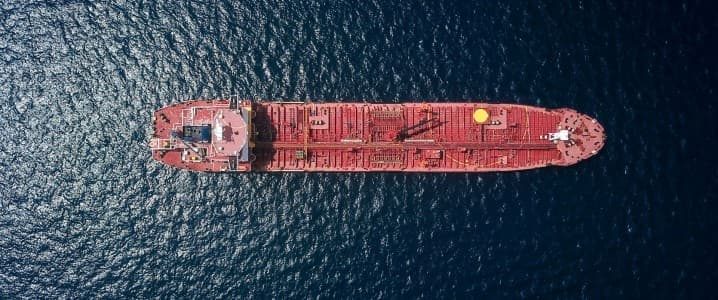
France has imposed a multimillion-euro fine on a Russian oil tanker known as the Grinch, following its detention for breaching EU sanctions. This action represents one of the most decisive enforcement measures against Russia's clandestine shipping operations since the onset of the Ukraine conflict. The Grinch was intercepted in the Mediterranean last month after departing from Murmansk, located in Russia's Arctic region, and was held at Fos-sur-Mer for three weeks before being allowed to leave French waters, according to French Foreign Minister Jean-Noel Barrot.
Detention and Enforcement Actions
The Grinch's detention underscores France's commitment to enforcing sanctions levied against Russia, which have escalated since the invasion of Ukraine in 2022. While the exact amount of the fine has not been publicly disclosed, it is reported to be several million euros. This action is significant as it directly targets the network of vessels utilized by Russia to circumvent Western sanctions and maintain oil export flows.
Boarding operations like the one conducted on the Grinch are crucial for the EU's strategy to disrupt the shadow fleet that has proliferated since sanctions were imposed. More than 600 tankers have faced sanctions from the EU, UK, and US, with over 570 blacklisted by the EU alone since mid-2024. However, despite these designations, Russian oil continues to flow into international markets, primarily due to the extensive network of ships operating outside conventional Western compliance and insurance frameworks.
Broader Implications for Russian Oil Exports
Despite the sanctions, Russia has managed to maintain its oil export revenues, which are vital for funding its military operations in Ukraine. The shadow fleet, composed of tankers that operate in defiance of Western regulations, has allowed Russia to continue exporting crude oil while minimizing the impact of sanctions. French authorities have made it clear that each vessel detention adds significant legal complications and operational costs to the logistics of moving Russian oil.
China's imports of Russian crude are also on track to hit record highs, with projections indicating over 2 million barrels per day being imported in February. Meanwhile, India's imports have begun to decline, suggesting a shift in the dynamics of global oil trade. The presence of the shadow fleet means that while sanctions are in place, they do not necessarily lead to a reduction in oil availability, reinforcing the need for ongoing vigilance in enforcement efforts.
France's Ongoing Sanctions Enforcement
This isn't the first time French authorities have boarded a vessel linked to Russian oil. In September, the tanker Boracay was detained off the Atlantic coast after failing to prove its nationality and refusing to comply with naval requests. Such operations are part of France's broader strategy to clamp down on ships that attempt to flout international sanctions.
The French government's actions reflect a growing determination among European nations to hold Russia accountable for its actions in Ukraine, despite the challenges posed by the resilience of the shadow fleet. Detaining vessels like the Grinch not only serves as a deterrent but also raises the operational risks associated with transporting Russian oil, effectively increasing costs for those involved in such activities.
The Shadow Fleet's Future in a Changing Market
As the global energy landscape continues to evolve, the shadow fleet's future may face increasing scrutiny. With ongoing geopolitical tensions and the West's commitment to maintaining pressure on Russia, enforcement actions are likely to intensify. While seizures do not halt oil production, they do create additional friction in the supply chain, impacting the efficiency of Russian oil exports.
Moreover, the financial implications of these actions could be significant, leading to higher costs for Russian oil buyers and altering the dynamics of global oil trade. As the situation unfolds, stakeholders in the energy sector will be watching closely to see how these enforcement measures affect the availability and pricing of Russian crude on the international market.
So, the recent fine imposed on the Grinch exemplifies France's proactive stance against Russia's attempts to bypass sanctions. This incident highlights the complexities of managing global energy flows in the context of geopolitical conflicts and the ongoing efforts of Western nations to enforce sanctions effectively.