
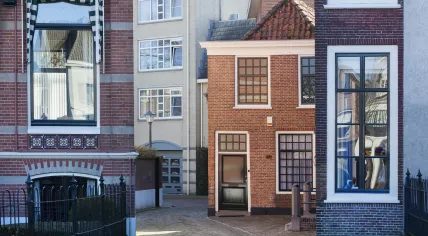
Homes in the Netherlands featuring visible energy-saving upgrades are increasingly commanding premium prices in the housing market. Recent data from the Kadaster revealed that properties boasting an energy label A sold for an average of nearly 4,700 euros more in the third quarter of 2025 compared to their less efficient counterparts. In contrast, homes with an energy label D or lower went for about 500 euros less than average.
Rising Demand for Energy-Efficient Properties
The push for sustainability has made visible energy-saving features a significant selling point for homes. In the Netherlands, buyers are increasingly prioritizing energy efficiency, particularly as climate concerns grow. The Kadaster's data underscores this trend, highlighting that homes equipped with energy-efficient upgrades like solar panels can increase property values substantially. The research indicates that the sale price of such homes can rise by approximately 4 percent if energy-saving features are prominently displayed.
As buyers become more environmentally conscious, the demand for homes that visibly reflect sustainability is likely to continue its upward trajectory. This trend has transformed the real estate landscape, encouraging homeowners to invest in energy-efficient upgrades not just for savings on utility bills, but also for the potential boost in property value.
Visible Sustainability vs. Actual Efficiency
Despite the premium prices associated with energy-efficient homes, researchers from NRC caution that visible sustainability does not provide a complete picture. They emphasize that a home may achieve a higher energy label through solar panels while still having average or poor insulation. This discrepancy highlights the importance of considering the overall energy performance of a home beyond its visual upgrades.
The researchers also pointed out that significant differences can exist even within the same energy label. Thus, potential buyers should be encouraged to assess the actual energy consumption of properties rather than relying solely on visual elements. This approach may lead to more informed buying decisions and a better understanding of long-term energy costs.
The Role of Energy Labels in the Housing Market
Energy labels play a crucial role in the Dutch housing market, providing a standardized way to evaluate the energy efficiency of homes. These labels range from A, indicating excellent energy performance, to G, which indicates poor efficiency. As buyers increasingly seek energy-efficient homes, properties with higher labels are becoming more desirable.
In the third quarter of 2025, the average price differential between homes with energy label A and those with lower ratings is a compelling indicator of this shift. With homes bearing an energy label B or C also showing favorable price trends, it's clear that energy efficiency is becoming a decisive factor in home valuation.
Real estate agents and homeowners alike are recognizing the financial advantages of investing in energy-saving measures. Many are opting to upgrade insulation, install solar panels, and implement other energy-efficient technologies, not just for environmental reasons, but to maximize their property's market value.
Future Trends in Sustainable Housing
Looking forward, the trend of visibly sustainable homes commanding higher prices seems poised to continue. As awareness around climate change and energy efficiency grows, it's likely that more buyers will prioritize sustainability in their home search. This shift could lead to a broader acceptance of energy-saving upgrades as standard features, rather than luxury additions.
Moreover, as government policies increasingly push for sustainability in housing, homeowners may face more incentives for making energy-efficient upgrades. These initiatives could further boost the market for sustainable homes, making them not just desirable but also accessible to a wider range of buyers.
So, the Dutch housing market is witnessing a significant transformation driven by the demand for energy-efficient homes. With visible sustainability enhancements leading to increased property values, both buyers and sellers are adapting to this new reality. The focus on energy labels and actual energy consumption will likely shape future buying trends, promoting a more sustainable approach to housing overall.