
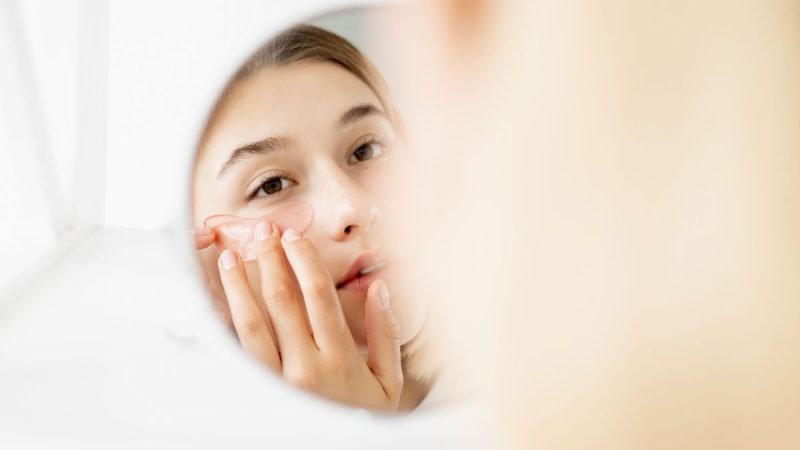
China's cosmetics industry is set to skyrocket, with projections estimating the market will reach an astonishing 1.4 trillion yuan by 2026. This rapid growth underscores significant shifts in consumer preferences, driven by a digitally savvy population that prioritizes skincare above all. As these trends shape the industry, brands are adapting to a landscape where content and commerce are intricately linked.
Digital Transformation Drives Market Growth
The integration of digital technology into the cosmetics sector has transformed how consumers engage with products. Online shopping platforms and social media have become essential tools for brands looking to connect with younger audiences. According to industry analysts, nearly 80% of cosmetics purchases in China now occur online, a stark contrast to traditional retail methods. This digital focus not only makes shopping more convenient but also enables brands to utilize targeted marketing strategies based on consumer data.
Moreover, the rise of live-streaming e-commerce has created new avenues for brands to showcase their products. Influencers and beauty experts can demonstrate products in real-time, allowing consumers to make informed purchasing decisions. This interactive approach has proven effective, especially among millennials and Gen Z consumers, who are increasingly reliant on social media for product recommendations.
Skincare Dominates Consumer Preferences
As the cosmetics market expands, skincare products continue to dominate sales. Chinese consumers are increasingly focused on skincare routines, often investing significant amounts in serums, moisturizers, and other treatments. Recent studies indicate that skincare products account for over 60% of the total cosmetics market in China. This trend reflects a broader global shift towards self-care and wellness.
Brands are responding to this demand by launching innovative skincare lines that cater to specific concerns, such as anti-aging and hydration. The emphasis on natural ingredients and sustainability is also gaining traction, with consumers increasingly preferring products that are eco-friendly and ethically sourced. This focus on skincare is not just a passing trend; it's a fundamental shift in consumer behavior that brands must adapt to in order to remain competitive.
Data-Driven Marketing Strategies
In light of the evolving market, brands are leveraging data analytics to enhance their marketing strategies. By analyzing consumer behavior and preferences, companies can tailor their offerings to meet specific demands. This data-driven approach allows brands to identify emerging trends, optimize product launches, and personalize marketing messages to resonate with their target audience.
Furthermore, artificial intelligence (AI) plays a crucial role in shaping these strategies. Many brands are employing AI tools to predict market trends, analyze customer feedback, and optimize supply chains. This technological advancement not only streamlines operations but also ensures that brands can respond swiftly to changing consumer needs. As a result, companies that harness the power of data are better positioned to thrive in this competitive landscape.
Future Outlook: A Thriving Market Ahead
With the cosmetics market in China projected to reach 1.4 trillion yuan by 2026, the future looks bright for industry players. This anticipated growth presents significant opportunities for both established brands and new entrants. However, companies must remain agile and responsive to the rapid changes in consumer preferences and market dynamics.
The ongoing emphasis on digital engagement and skincare will likely continue to shape the industry. Brands that can effectively integrate content and commerce while leveraging data insights will be the ones to succeed. As consumers increasingly demand personalized experiences and innovative products, the cosmetics market will need to evolve to meet these expectations.
Ultimately, China's cosmetics boom is not just about numbers; it's a reflection of a society that values self-care, wellness, and the seamless integration of technology into daily life. As the market continues to expand, it will be fascinating to see how brands navigate these shifts and what new trends will emerge in the years to come.