
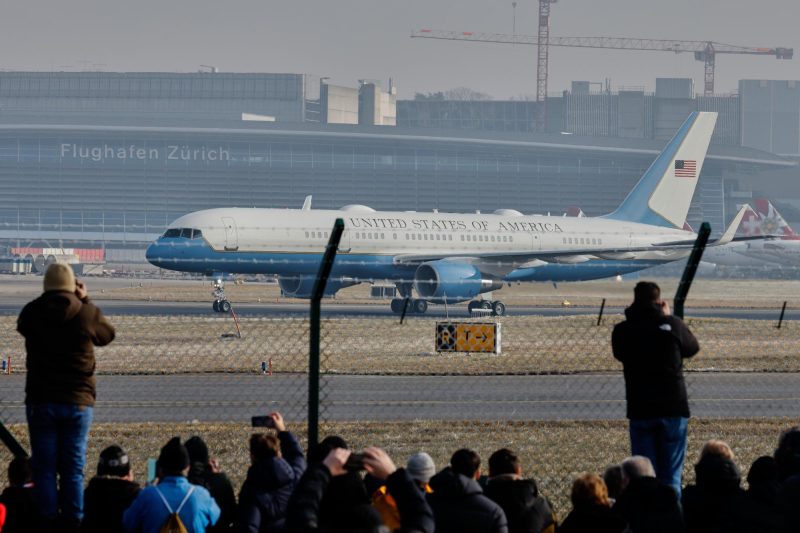
The U.S. military announced that Air Force One will soon undergo a significant makeover, featuring a new paint scheme championed by former President Donald Trump. The aircraft will be adorned in a striking palette of red, white, gold, and dark blue, marking a departure from the traditional blue-and-white design that has dominated its appearance since the Kennedy era.
Details of the New Color Scheme
The updated design for Air Force One will incorporate a blend of bold colors that reflect Trump's vision. The U.S. Air Force confirmed that the paint scheme will consist of red, white, gold, and dark blue, a combination that aims to evoke a sense of American pride. Visual renderings released by the military depict how these colors will come together on the aircraft, echoing the model showcased in the Oval Office during meetings with foreign dignitaries.
In addition to the main Air Force One jet, the same color scheme will be applied to two smaller jets used for high-ranking government officials. This decision underscores the military's commitment to modernizing its fleet while also honoring the stylistic preferences of the previous administration.
Boeing's Role in the Transformation
Boeing is currently modifying two 747-800 aircraft that are set to replace the aging fleet of Boeing 747-200 jets that have been in service for decades. These new jets, which will carry the Air Force One call sign when the president is onboard, are part of a broader initiative to enhance the capabilities and aesthetics of the presidential fleet.
Under Trump's direction in 2018, the original plan was to replace the iconic blue-and-white design with a more modern white-and-navy scheme. This design featured a stark white upper half and a dark blue lower half, accented by a dark red stripe. However, concerns about increased costs and potential delays prompted the Biden administration to reverse this decision in March 2023, paving the way for the new color scheme that is now being implemented.
Trump's Vision for Air Force One
In a statement to reporters last month, Trump expressed his desire for a color scheme that resonates with American strength and pride. He emphasized, "We want power blue, not baby blue," alluding to the existing color of the aircraft. Trump's comments reflect a broader vision of rebranding the iconic plane to better align with his administration's aesthetic and political ideals.
The planned modifications are not just cosmetic; they signify a potential cultural shift within the military's approach to the presidential aircraft. By embracing a more vibrant color palette, the Air Force is responding to the desires of a former president while also considering the implications of such a change for future administrations.
Future of Air Force One and Its Significance
The new Air Force One jets are not just transportation for the president; they serve as powerful symbols of American leadership and resilience. The aircraft are often seen as extensions of the presidency, carrying with them the weight of national identity and diplomatic representation. The choice of colors and design will undoubtedly influence how these aircraft are perceived both domestically and internationally.
As the U.S. military prepares for these updates, questions remain about the overall costs and timelines involved in the repainting process. Previous assessments indicated that darker colors could drive up expenses and delay the delivery of the new jets. The Air Force's commitment to the new Trump-inspired design suggests a calculated decision to balance aesthetics with operational efficiency.
Looking ahead, the transformation of Air Force One will be closely watched by both supporters and critics alike. It stands as a testament to the ongoing evolution of presidential symbolism and the way in which aesthetics can intersect with politics. As the new aircraft begin to take to the skies, they will not only represent the current administration but also serve as a reminder of the legacy and influence of Donald Trump's presidency.