
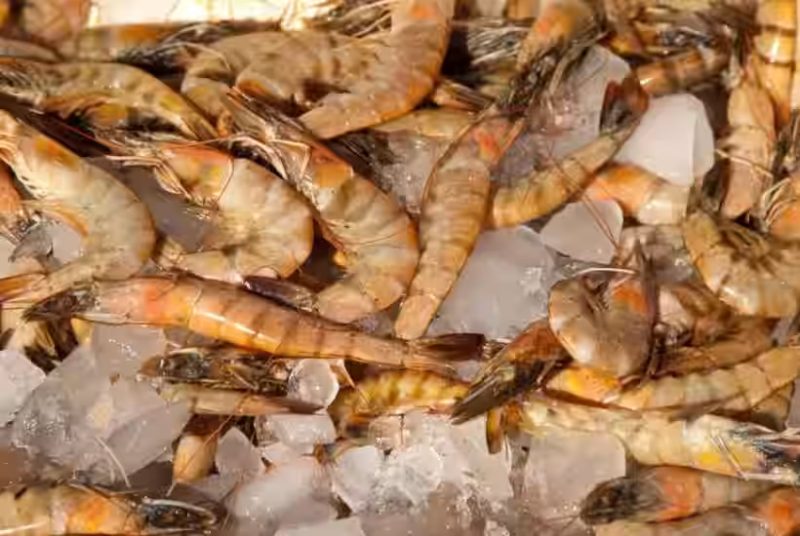
South Korea's appetite for seafood has surged dramatically, particularly for Russian shrimp, which saw imports reach a remarkable $54 million in January 2026. This figure marks the highest monthly total for the product in several years, according to South Korea's official statistics as reported by RIA Novosti. The increase in demand is striking, especially when compared to January 2025, when imports were valued at a comparatively modest $33.8 million. This upward trend indicates a significant shift in South Korea's seafood purchasing behavior, driven by a growing consumer preference for Russian products.
Record Import Volumes Showcase Rising Demand
The impressive value of South Korea's shrimp imports from Russia is matched by the volume of shipments. In January 2026 alone, approximately 2,000 tons of Russian shrimp made their way to South Korean shores, nearly double the amount seen in January 2025. This surge not only highlights the increasing demand among consumers and businesses in South Korea but also reflects a broader trend in the seafood market. The last time South Korea saw a higher monthly import figure was in December 2023, when Russian shrimp imports reached $63.2 million.
This increased interest in Russian seafood can be attributed to several factors. First, changing consumer preferences in South Korea have shifted towards more diverse seafood options. Moreover, the stability of the Russian seafood supply chain has become a crucial factor for South Korean importers. The combination of these elements is driving demand and encouraging South Korean buyers to look towards Russia for their seafood needs.
Broader Implications for Seafood Trade in Asia-Pacific
The rise in imports of Russian shrimp is just one part of a larger trend affecting the seafood market across the Asia-Pacific region. By the end of 2025, Russian seafood imports from China also reached their highest value since 2015, with shrimp alone accounting for $42.3 million of that total. Additionally, Russia diversifies its seafood offerings by importing frozen crabs, langoustines, and lobsters, highlighting the extensive and interconnected nature of the seafood trade.
As South Korea continues to increase its imports of Russian shrimp, the implications could ripple throughout the broader seafood market. The growing demand may lead to shifts in pricing and supply chains, potentially affecting trade relations with other significant shrimp exporters, including India and China. Such dynamics underscore the ongoing evolution of the seafood trade landscape in the region, which is being shaped by consumer preferences, economic factors, and geopolitical considerations.
Monitoring Future Trends in Seafood Imports
As February and March 2026 approach, trade analysts will be closely monitoring whether South Korea can sustain these high levels of Russian shrimp imports. January's figures are impressive, but questions remain about whether this surge is a temporary spike or part of a lasting trend. The capacity of Russian suppliers to meet the rising demand without straining their domestic markets will also be critical in determining the future of this trade relationship.
Furthermore, the implications of these trends extend beyond the immediate trade figures. If South Korea maintains its robust imports from Russia, it could lead to shifts in consumer behavior, influencing the types of seafood that other countries export to South Korea. This may force competing nations to adapt their strategies to retain market share in the increasingly competitive seafood landscape.
In summary, the significant rise in South Korea's imports of Russian shrimp in January 2026 reflects a marked shift in consumer preferences and trade dynamics. As the country continues to embrace Russian seafood, the long-term implications for the Asia-Pacific seafood market remain to be seen, making it a focal point for industry observers in the coming months.