
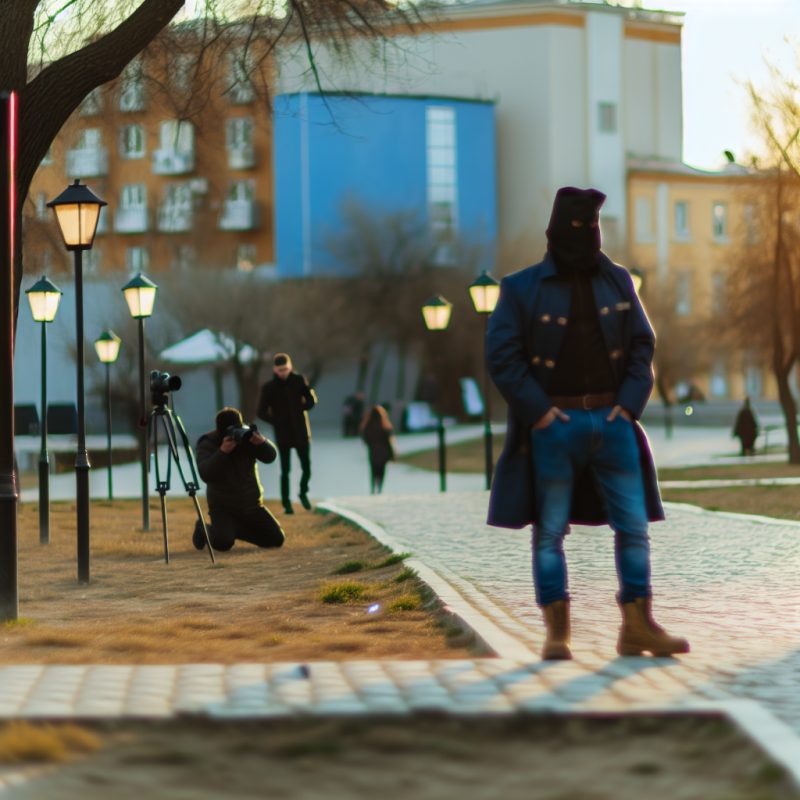
Identifying an undercover police officer can be challenging but essential in various situations. Whether you're at a protest, a nightlife venue, or just hanging out in public spaces, knowing how to spot these officers can help you navigate your surroundings more safely. Here are some effective tips to help you recognize them.
Understanding Undercover Operations
Undercover officers are integral to law enforcement, particularly in combating drug trafficking, organized crime, and other illicit activities. These officers blend into the community, using various disguises and behaviors to gather intelligence. Their primary aim is to infiltrate criminal organizations without drawing attention to their true identities. However, recognizing the signs of an undercover officer is crucial, especially in environments where tensions may run high.
Typically, undercover cops will dress in a manner that allows them to fit in with their surroundings. This could mean wearing casual clothing at a local bar or donning attire appropriate for a protest. Their demeanor may also be less formal compared to uniformed officers, often appearing relaxed and approachable. However, subtle clues can help an observant individual identify them.
Common Indicators of Undercover Cops
One of the most telling signs is behavior that seems out of place. Undercover officers might act overly interested in certain conversations or individuals. For instance, they may ask probing questions about drug deals or gang affiliations without revealing their intentions. This unusual curiosity can be a red flag.
Another sign is their choice of companions. Undercover cops often associate with individuals who exhibit suspicious behavior, making their presence more noticeable. Additionally, they may frequently check their surroundings or receive communications via discreet devices, such as earpieces or smartphones. Observing these habits can provide strong hints about someone's true role.
Situational Awareness and Context
Being aware of your surroundings is vital when trying to spot undercover officers. Certain events, like protests or large gatherings, may attract police attention. In these instances, agencies often deploy undercover units to monitor activities. Understanding the context can help you identify potential undercover officers more effectively.
Pay attention to groups of individuals who seem to be watching others closely. If you notice someone consistently moving in and out of the crowd, or standing apart while still keeping a watchful eye, they might be part of law enforcement. Moreover, look for people who appear to have an unusual amount of knowledge about local criminal activities, as this might indicate their role as an undercover officer.
Legal Implications and Considerations
While identifying undercover cops can be important for personal safety, it's essential to approach this with caution. Accusing someone of being an officer without evidence can lead to misunderstandings or confrontations. Furthermore, individuals have the right to remain silent and not engage with anyone they suspect to be law enforcement.
If you suspect someone is an undercover officer, it's best to maintain a safe distance and not provoke them. Understanding your rights and the legal framework surrounding police operations can empower you in these situations. Being informed can help you navigate encounters with law enforcement more effectively.
In today's increasingly complex social landscape, recognizing undercover police activity is becoming more pertinent. As law enforcement evolves, so too do their tactics, making it vital for citizens to remain vigilant and informed. This awareness not only ensures personal safety but also fosters a community that understands the balance between security and civil liberties.